

ITEM I: (BIOGRAPHY) – BRAD PITT (Reading Comprehension)
Instructions: Read the text and choose the correct answer (A, B, C, or D).
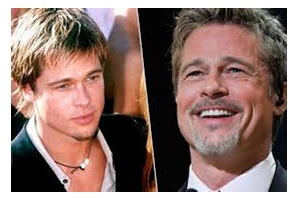
Brad Pitt, born in Oklahoma in 1963, is an acclaimed American actor and film producer whose career spans over three decades. After dropping out of university just days before graduation to pursue acting, he underwent years of struggle before gaining recognition. His breakthrough role in Thelma & Louise (1991) propelled him into the spotlight. Pitt subsequently avoided being pigeonholed as just a pretty face by choosing complex roles in cult classics like Fight Club and Twelve Monkeys. Beyond acting, his production company, Plan B Entertainment, has produced several Academy Award-winning films, shifting his status from a mere Hollywood icon to an influential cinematic force.
1. What major decision did Brad Pitt make right before finishing his higher education?
2. What did Pitt consciously do to avoid being “pigeonholed” (labeled/classified) as just a handsome actor?
3. According to the text, Plan B Entertainment represents what aspect of Pitt’s career?
4. (VOCABULARY) What is the most accurate translation for the word “subsequently” as used in the text?
5. (INFERENCE) Based on the text, what can be inferred about Brad Pitt’s professional trajectory?
6. (GRAMMAR) Why is the past perfect structure “had produced” used at the end of the text?
ITEM II: (DESCRIPTION OF A PLACE) – IGUAZU FALLS (Reading Comprehension)
Instructions: Read the text and choose the correct answer (A, B, C, or D).
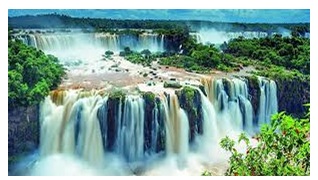
Straddling the border between Argentina and Brazil, Iguazu Falls is one of the most breathtaking natural wonders of the world. Consisting of 275 individual drops, the waterfall system is enveloped by a vast subtropical rainforest teeming with unique wildlife. The most prominent feature is the “Devil’s Throat” (Garganta del Diablo), a U-shaped cliff where the sheer volume of cascading water creates a permanent, dense mist. Environmental scientists emphasize that the local ecosystem faces ongoing challenges due to upstream deforestation and climate fluctuations, making strict conservation protocols essential to preserve this UNESCO World Heritage site.
7. Geographically speaking, where are the Iguazu Falls located?
8. What happens at the specific section known as the “Devil’s Throat”?
9. What environmental threat to the Iguazu ecosystem is explicitly stated in the text?
10. (VOCABULARY) What is the correct Spanish translation for the word “sheer” in the context of “sheer volume”?
11. (INFERENCE) What can be concluded about the current status of Iguazu Falls based on the text?
ITEM III: (INFOGRAPHIC) – SUBWAY EVACUATION DIAGRAM
Instructions: Analyze the emergency evacuation protocol chart for a subway network and answer the questions.
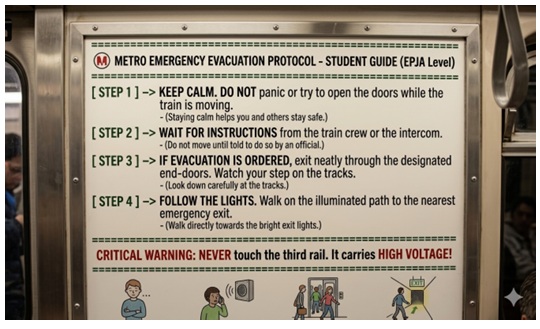
12. What is the very first behavioral directive during a subway emergency?
13. What must a passenger do before initiating any physical evacuation movement?
14. What specific path should passengers follow once they are inside the dark subway tunnel?
15. Why does the infographic issue a “CRITICAL WARNING” regarding the third rail?
16. (VOCABULARY) The phrase “Maintain composure” is closest in meaning to:
ITEM IV: (STATISTICAL DATA) – THE 5 MOST DANGEROUS JOBS IN THE WORLD
Instructions: Analyze the global data summary detailing risks in high-hazard industries, distributed by gender and continent, then answer.
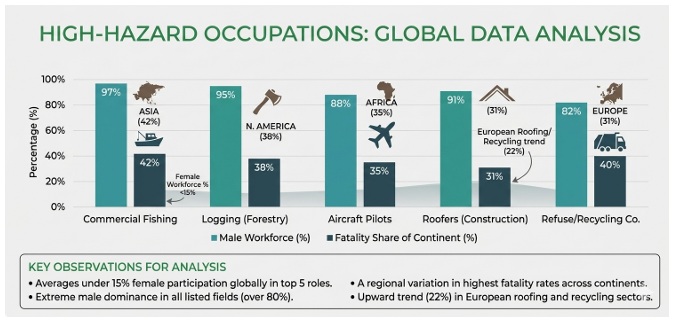
17. Which industry exhibits the highest global percentage of male workers according to the chart?
18. In which continent does the Logging industry register its highest fatality rate percentage?
19. What is the specific global trend regarding female participation in these 5 high-risk jobs?
20. Which continent accounts for 42% of global fatalities in Commercial Fishing?
21. What does the percentage “82%” represent in the provided chart?
22. According to the chart, which job ranks as the 3rd most dangerous in the world?
23. (VOCABULARY) What does the term “Fatality” mean in the context of labor statistics?
24. (SYNTHESIS) Which sentence is entirely TRUE based on the provided text matrix?
25. What type of technical document is Item IV?